One of the most important questions homeowners ask before installing an air source heat pump is how much it will cost to run.
Although an air source heat pump can provide an efficient way to heat a home, the amount you spend on electricity depends on several factors. These include the efficiency of the system, your property’s insulation, your heating controls, the temperature you require and the electricity tariff you use.
For homeowners in Cornwall and Devon, understanding these factors can help you make a more informed decision about your home’s heating.
In this guide, we explain how air source heat pump running costs work, what affects your energy bills and how you can manage your system’s electricity consumption.
How Much Does an Air Source Heat Pump Cost to Run?
There is no single running-cost figure that applies to every home.
A well-designed system in an appropriately insulated property may operate very differently from one serving a poorly insulated home with high heating demand. Your electricity tariff and the efficiency of the installation also influence the final bill.
Rather than relying on one average annual figure, it is helpful to understand how much electricity your heat pump uses and how effectively it converts that electricity into useful heat.
According to the Energy Saving Trust’s guide to heat pumps, running costs depend partly on the system being replaced, the heat pump’s efficiency and the tariff available to the household.
This means two households with similar properties may still pay different amounts to heat their homes.
How Does a Heat Pump Use Electricity?
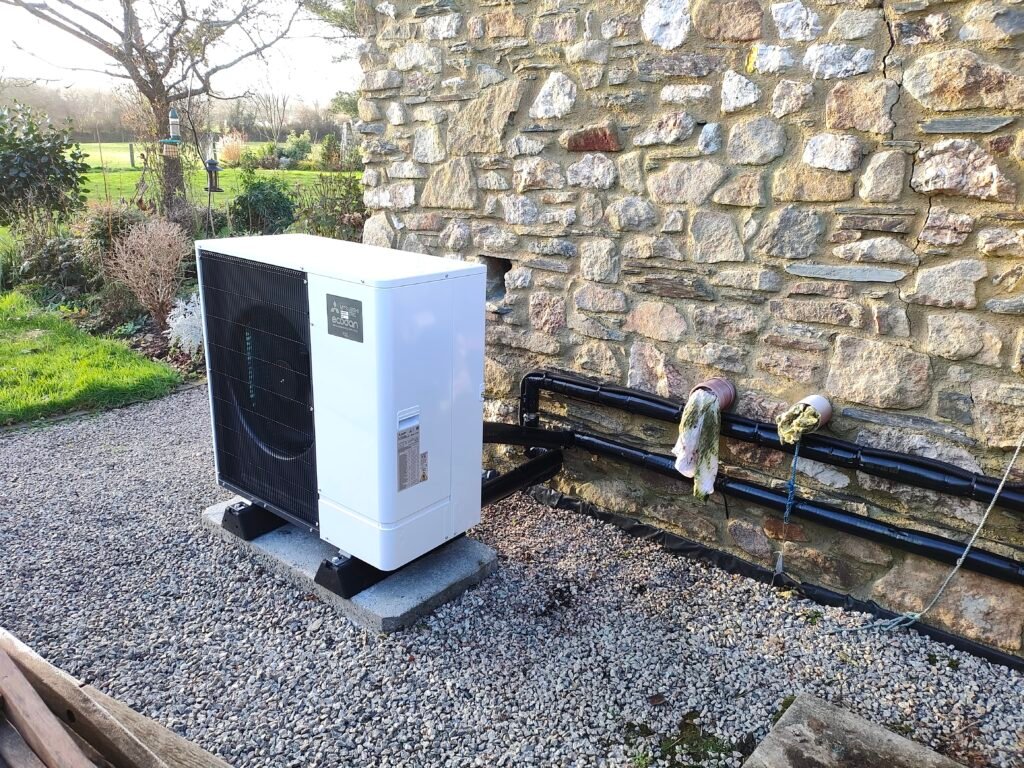
An air source heat pump extracts heat from the outside air and transfers it into your home. It uses electricity to operate, but it does not rely on electricity alone to generate all the heat it delivers.
For example, a heat pump achieving a coefficient of performance (COP) of 3 produces approximately 3kWh of heat for every 1kWh of electricity consumed under the conditions measured.
This is why its electricity consumption needs to be considered alongside its heat output.
The efficiency achieved in practice varies with outdoor temperatures, system design, water temperatures and operating conditions. A seasonal performance figure provides a more useful picture of efficiency across a heating season than a single operating measurement.
What Affects Air Source Heat Pump Running Costs?
1. Your Electricity Tariff
Electricity prices have a direct effect on your heat pump’s running costs.
Under Ofgem’s average Direct Debit price-cap figures for October to December 2026, the average electricity unit rate is 26.32p per kWh. Actual rates vary by region, payment method and tariff.
You can check the latest figures using Ofgem’s energy price information.
Some suppliers offer time-of-use tariffs with cheaper electricity during particular periods. If your heating schedule and controls can make effective use of those periods, a suitable tariff may reduce your running costs.
However, compare the full tariff terms, including peak rates, standing charges and any conditions, before switching.
2. Your Home’s Insulation
Insulation affects how quickly your home loses heat.
A property that loses heat quickly generally needs more energy to maintain a comfortable indoor temperature. Improving insulation and addressing draughts where appropriate can reduce heating demand.
Relevant areas may include loft insulation, walls, floors, windows and external doors, depending on the property.
You do not necessarily need to complete every improvement before considering a heat pump. However, understanding your home’s heat loss helps inform the system design and expected heating requirements.
3. The Efficiency of Your System
Heat pump efficiency is influenced by how the equipment is selected, installed and operated.
A correctly sized system designed around the property’s heat demand can help maintain comfort without unnecessary energy consumption.
The temperature of the water circulating through your heating system also matters. Heat pumps generally operate more efficiently when they can provide the required warmth at lower flow temperatures, provided the radiators or underfloor heating can deliver enough heat to the rooms.
This is one reason a professional assessment is valuable before installation.
4. Your Heating Controls and Settings
The way you control your heat pump can affect how much electricity it uses.
Heat pumps are often designed to maintain relatively stable indoor temperatures rather than repeatedly heating a cold property as quickly as possible.
The best control strategy depends on your equipment, insulation, heating system and household routine. Follow the manufacturer’s guidance and ask your installer to explain how to configure the controls.
Avoid assuming that one thermostat setting or schedule is ideal for every property.
5. The Size and Heating Needs of Your Home
A larger home does not automatically have higher running costs than every smaller property, but it will often have a greater total heating requirement if other factors are similar.
The number of occupants, desired room temperatures, hot-water demand, insulation and building layout can all influence consumption.
A heat-loss assessment helps determine the heating capacity required and provides a more appropriate starting point for estimating electricity use.
A Simple Example of Heat Pump Running Costs
A worked example can help explain the relationship between electricity prices and heat output.
Suppose a heat pump achieves a COP of 3 under the operating conditions considered, and the electricity unit rate is 26.32p per kWh.
| Calculation | Example |
|---|---|
| Electricity used | 1kWh |
| Heat delivered | 3kWh |
| Electricity price | 26.32p per kWh |
| Electricity cost for that input | 26.32p |
| Approximate cost per kWh of delivered heat | 8.77p |
The final figure is calculated by dividing the electricity cost by the heat delivered.
This is an illustration, not a prediction of your household’s bill. A heat pump’s actual seasonal efficiency can be higher or lower than the example, and your electricity tariff may differ from the average price used here.
Your annual heating bill will also depend on the total amount of heat your home requires throughout the year.
Are Air Source Heat Pumps Cheaper to Run Than Gas Boilers?
The answer depends on the household and the systems being compared.
Heat pumps can deliver several units of heat for each unit of electricity they consume. However, electricity generally costs more per unit than gas, so efficiency alone does not determine which system has the lower running cost.
The comparison depends on factors including:
- The seasonal efficiency of the heat pump.
- The efficiency and condition of the existing boiler.
- Electricity and gas unit rates.
- The amount of heat required by the property.
- Whether a suitable heat pump electricity tariff is available.
- The way the heating system is controlled.
The Energy Saving Trust’s heat pump advice explains why running costs can vary and why the heating system being replaced matters.
If you currently use oil, LPG, direct electric heating or another heating arrangement, the comparison may be different again.
For a useful estimate, compare the cost of delivering the same amount of heat rather than comparing electricity and gas unit prices alone.
How Can You Reduce Air Source Heat Pump Running Costs?
There are several practical steps that may help you manage electricity consumption.
Make Sure the System Is Properly Designed
System sizing, heat-loss calculations, radiator suitability and installation quality can all affect performance. An assessment before installation helps establish the requirements of your property.
Review Your Electricity Tariff
Compare available tariffs and check whether your household could benefit from time-of-use pricing. Consider your overall electricity consumption and the times your heat pump needs to operate.
Use the Controls Correctly
Ask your installer to explain the thermostat, heating schedule and hot-water settings. Avoid making frequent changes without understanding how they affect your system’s operation.
Reduce Unnecessary Heat Loss
Where practical, improve insulation, address draughts and make use of curtains or blinds to help manage heat loss through windows.
Keep Up With Maintenance
Follow the manufacturer’s maintenance instructions and keep the equipment’s required airflow and access areas clear. Arrange servicing as recommended for your particular system.
Are Heat Pump Running Costs Different in Cornwall and Devon?
The same basic principles apply in Cornwall and Devon as elsewhere in the UK, but individual properties can have different heating requirements.
The property’s construction, insulation, exposure to wind, room layout and the temperatures occupants prefer will influence how much heat is required.
Electricity tariffs also vary according to the supplier, tariff and circumstances of the household.
If you’re considering a heat pump for your property, it is better to assess its actual heating demand and installation requirements than to rely on a national average running-cost figure.
Regan Air provides heat pump services for homeowners in the region. Visit our heat pumps service page to learn more.
What Should You Ask Before Installing a Heat Pump?
Before committing to an installation, ask your installer to explain:
- The estimated heat loss and heating demand of your property.
- The proposed heat pump’s expected seasonal efficiency.
- Whether your existing radiators or heating distribution system are suitable.
- The estimated electricity consumption and assumptions used.
- Which electricity tariffs may suit your heating pattern.
- The maintenance requirements and ongoing costs.
These details can help you understand the likely operating costs and compare proposals on a more consistent basis.
Frequently Asked Questions
How much electricity does an air source heat pump use?
Electricity consumption depends on how much heat your property needs and how efficiently the heat pump operates. A system’s seasonal performance and your home’s heating demand are more useful for estimating annual consumption than the unit’s rated capacity alone.
Can an air source heat pump reduce my energy bills?
It may, but savings are not guaranteed. The outcome depends on the heating system being replaced, electricity prices, seasonal efficiency, property heat loss and the tariff you use.
Does colder weather increase heat pump running costs?
Colder outdoor conditions can affect a heat pump’s efficiency and increase the amount of heat your home needs. The effect on your bill depends on the equipment, property and weather conditions.
Is a special electricity tariff necessary?
No. A standard electricity tariff can operate a heat pump, but a suitable time-of-use tariff may lower costs for some households. Compare the complete tariff rather than assuming every specialist tariff will be cheaper.
How can I estimate my own heat pump running costs?
Start with an estimate of your home’s annual heating demand and the system’s expected seasonal efficiency. Divide the heat required by the efficiency figure to estimate electricity consumption, then multiply that consumption by your electricity unit rate. The result is an estimate, not a guaranteed bill.
Where can I find out more about heat pumps from Regan Air?
Visit the Regan Air heat pumps page or contact the team to discuss your property and heating requirements.
Understand Your Heat Pump’s Potential Running Costs
An air source heat pump’s running costs depend on more than its electricity consumption. Your home’s heating demand, the efficiency of the system, your tariff and the way the equipment is operated all contribute to the final cost.
Understanding these factors before installation can help you make a better-informed decision and set realistic expectations for your energy bills.
If you’re considering an air source heat pump for your property in Cornwall or Devon, Regan Air can help you explore the available options.
Ready to discuss your heating requirements? Visit our heat pumps service page or contact Regan Air to take the next step.